
 Follow us on LinkedIn
Work across Europe hasn’t snapped back to what it once was, it’s settled into something new.
The turbulence of recent years (pandemics, layoffs, rapid tech shifts) has eased in some areas, but instead of returning to old norms, organizations are now operating in a more complex, evolving environment.
We spoke to our community to understand what’s shaping their priorities right now. Three clear trends came up again and again.
Here’s what they’re seeing.
1. Remote work is still what many employees want, even as RTO pressure grows
The return-to-office (RTO) push may be louder than ever, but that doesn’t mean employee preferences have fundamentally changed.
CIPD says “flexible working is pivotal to the attraction and retention of talent,” and its research found that around 1.1 million employees in the UK left a job in the last year due to a lack of flexible working.
The appetite for flexibility hasn’t disappeared
A lot of organizations are testing stricter attendance expectations, but the underlying demand for remote and hybrid work remains strong.
Great Place To Work’s European Workforce Study, based on nearly 25,000 employees across 19 countries, found that when employees have a choice, the majority choose hybrid work.
That matters because flexible work is no longer treated as a temporary accommodation by many employees.
It has become part of how they evaluate job quality, work-life fit, and whether an employer feels modern or out of touch.
In 2026 data, this preference is even clearer: around 81% of workers say remote or flexible work is one of the most important factors when choosing a job, and nearly half say they would consider leaving if that flexibility was removed.
The policy shift is real, but so is the resistance
RTO mandates are increasing in some organizations, especially larger employers, but the broader picture is still mixed.
CIPD found that just over one in 10 employers said their organization was looking to introduce or mandate further returns to the office in the next 12 months, while more than half of employees believed there was pressure to spend more time in the physical workspace.
That creates a familiar tension for people leaders: leadership wants more in-person consistency, while employees still see flexibility as part of the deal.
The issue often doesn’t show up as dramatic conflict; it appears as slower hiring, tougher negotiations, and attrition risk.
This is reflected in 2026 workplace trend analysis, where hybrid work continues to be described as “front and centre” of how organisations structure work, despite increased office mandates.
Flexibility now shapes retention and hiring outcomes
CIPD reports that hybrid working remains commonplace, with around three-quarters of employers offering some form of provision, and points to attraction and retention of a broader talent pool as one of the key employer benefits.
In other words, the companies treating flexibility as a reluctant concession may be underestimating how closely candidates tie it to employer quality.
That is one reason remote and hybrid work remain central, even when the headlines focus on office returns.
 Sabrinthia Donnelly
2. Hiring is recovering, but in a slower, more selective way
The layoffs of 2022 and 2023 reset expectations across the market, especially in tech.
What’s happening now doesn’t look like a return to indiscriminate growth, but there are signs that the freeze is easing.
This is not a rebound to old hiring habits
The clearest signal is that growth is returning in a more controlled form.
That may sound modest, but compared with the widespread contraction narrative of the last two years, it points to something important: hiring has not fully snapped back, but the market is no longer defined only by retrenchment.
The recovery looks cautious, not euphoric
That phrasing matters because it captures the current mood perfectly: organizations are hiring again, but they are doing it with tighter headcount logic, more scrutiny, and far less appetite for overexpansion.
Even more telling, 2026 labour data shows that around 95% of job postings still don’t mention AI or major transformation requirements, suggesting companies are rebuilding gradually rather than restructuring overnight.
Tech, in particular, is finding a new growth story
In tech, the recovery is uneven, but it is visible.
What has changed is the kind of growth employers want. Teams are being rebuilt around high-impact roles, AI capability, data, engineering, and efficiency, not around the “growth at all costs” mentality that defined earlier cycles.
 Simina Simion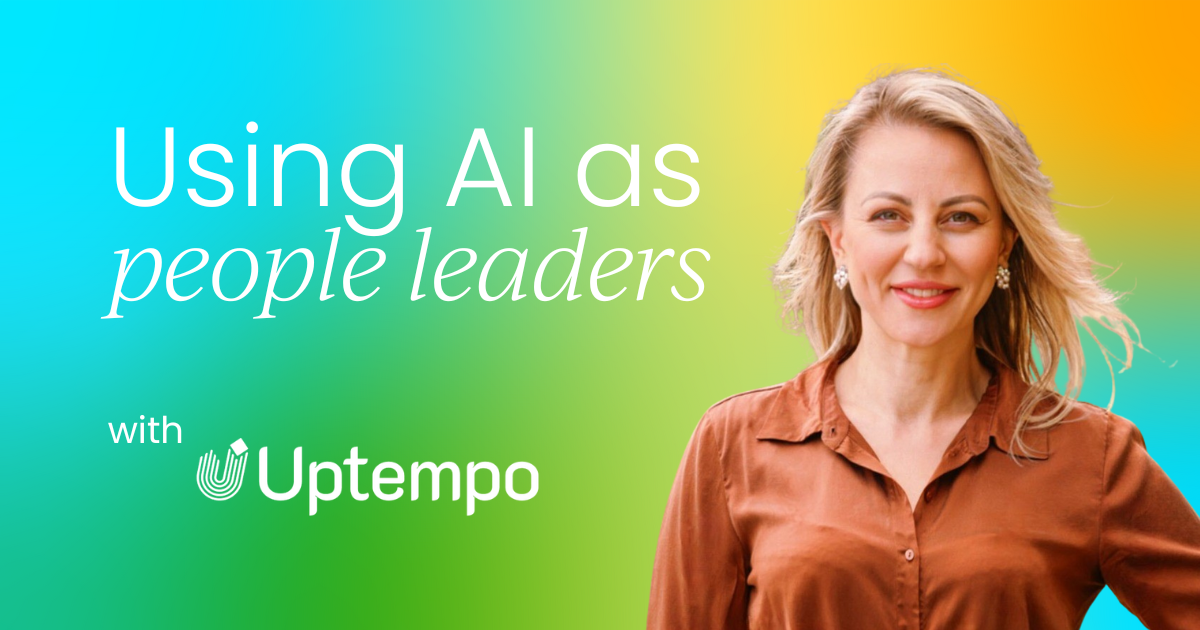
The trust gap from layoffs hasn’t gone away
Even with hiring improving, people leaders are still working against the aftereffects of recent layoffs.
That means recovery alone is not enough. Employers also have to explain why they are hiring, where the business is growing, and how they are avoiding the same boom-bust logic that damaged trust in the first place.
3. AI is no longer a side topic, but becoming part of normal work
Few workplace trends are moving as quickly, or carrying as much expectation, as AI. The shift now is not whether teams are experimenting with it, but how deeply it is entering everyday work.
Adoption is already widespread
The scale of usage is easy to underestimate.
Around 60% of workers globally are estimated to have access to AI tools, with adoption increasing sharply year over year.
The real issue is not access, but depth
Usage alone doesn’t mean transformation.
That gap between adoption and readiness is becoming one of the biggest leadership issues in the workplace.
In fact, only a minority of companies (around a quarter) have successfully scaled AI beyond pilot use cases into full operational impact, despite widespread experimentation.
 Joseph Machicote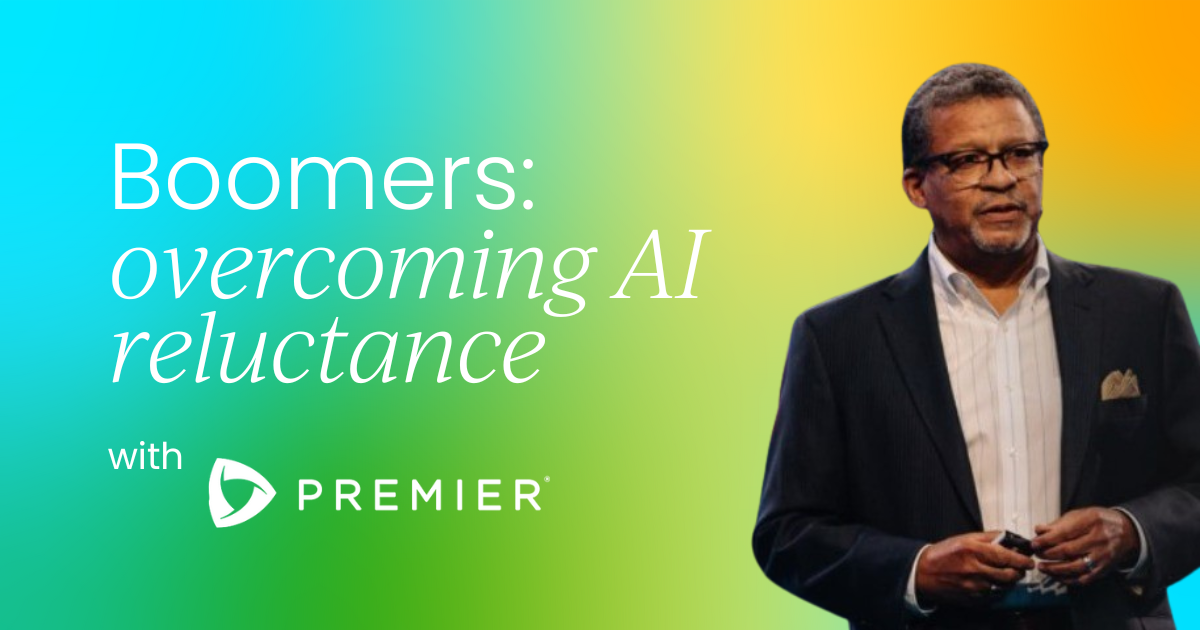
Employee anxiety is rising alongside adoption
The AI story is not just about productivity; it is also about confidence, capability, and trust.
That combination matters. It suggests that AI is often being introduced into already pressurised environments, without enough support, training, or clarity around what the technology is meant to change.
This is reflected in sentiment data, where over a quarter of UK workers report concern about job displacement due to AI, even as usage continues to increase.
Europe’s context makes responsible adoption even more important
In Europe, AI adoption is unfolding inside a workplace culture that pays close attention to governance, transparency, and worker protection.
For people leaders, that means the AI agenda cannot sit with technology teams alone. It has to include communication, capability-building, ethics, and trust.
In fact, the shift to AI is expected to require major workforce reskilling across Europe, with up to 30% of current work activities potentially automated and as many as 12 million workers needing to transition roles by 2030; reinforcing how large the capability gap still is.
 Teresa Garanhel
How these three trends connect
These aren’t separate storylines. They reinforce one another.
Remote and hybrid expectations shape how companies attract talent. → Hiring recoveries are strongest where organizations can show both stability and future relevance. → And AI is increasingly influencing which roles get funded, how teams are structured, and what skills matter most.
That is why people leaders are being pulled into a broader redesign of work itself, not just asked to respond to isolated trends.
What this means for people leaders now
First, flexibility still needs to be treated as a strategic talent issue, not a temporary concession.
Second, hiring may be improving, but growth plans need to feel credible and durable.
Third, AI adoption has to be matched by training, governance, and clear communication if organizations want real value rather than surface-level usage.
The companies that respond well to this moment will not be the ones with the loudest policies or the fastest experiments.
They’ll be the ones that can combine flexibility, discipline, and technological ambition without losing employee trust in the process.
These are the conversations happening at People Operations Summit Amsterdam on May 27. Join 75+ senior people leaders tackling AI, compliance, and the future of the people function.